
01 · Sunrise

Generation starts

Solar radiation is converted into electricity by conventional PV modules. This energy powers consumers such as heating/cooling, computers, lighting, and many others. Initial surpluses charge EVs and short-term battery storage.
Current flow
SunPVHouseBattery storage and EVs

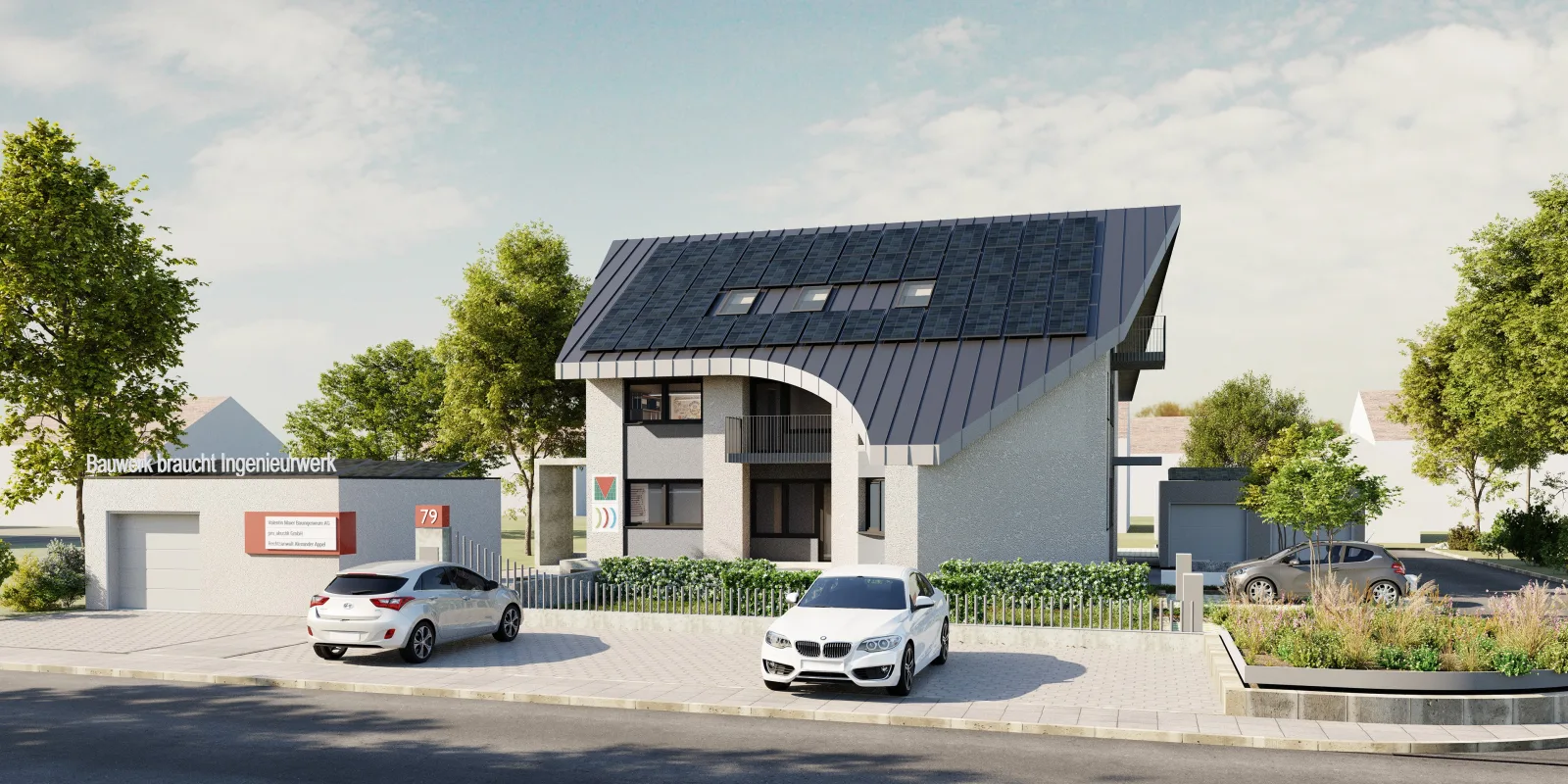
At Große Bauerngasse 79 in Höchstadt a.d. Aisch, our first 100 % year-round autonomous energy system is successfully in operation.

Building

The residential and office building at Große Bauerngasse 79 is the live pilot project of the ZeroKWh concept. Earlier conventional energy refurbishments - including improved insulation, installation of rooftop PV, replacing a fossil heating system with a brine/water heat pump, and installing EV charging points - already brought the building to the current state of the art. However, true year-round autonomy and full independence from energy costs and inflation cannot yet be achieved this way. This challenge gave rise to the ZeroKWh idea.

System schema

The diagram shows how all components interact: PV and battery provide electrical energy (green), the electrolyzer converts surplus electricity into hydrogen for chemical storage (gray), and heat pump plus fuel cell cover thermal demand (red). The decentralized grid serves as a fallback layer - not as the primary source.

Carports

To achieve full autonomy and generate sufficient surpluses for hydrogen production, the existing PV system on the pitched roof had to be expanded. Because a ground-mounted system was rejected by authorities, innovative PV carports with a swiveling drive are being developed together with a regional partner company. They combine parking use with additional power generation - efficient, sustainable, and space-saving.

Storage

For seasonal storage of summer PV surpluses to cover winter energy demand, hydrogen is used as the storage medium. In addition to conventional storage in pressurized tanks, the ZeroKWh project also tests and optimizes an innovative liquid-based storage system. This provides a technically sound and economically viable answer to one of the final major challenges of the energy transition. Beyond technical requirements, the design of the H2 storage units also plays an important role in neighborhood and public acceptance - technology that can be proudly shown.

Movement

We do not view this project only from a technical and economic perspective. We also want to motivate people to take an active role in the energy transition. Among other things, a publicly accessible information site with explanatory signage is planned at the GB79 location, where everyone - starting with school classes - can experience and understand the latest technology up close.